کفپوش اپوکسی از موادی بوده که دارای قابلیت هایی از قبیل مقاومت متوسط تا خوب شیمیایی ، نفوذ پذیری تقریبا"صفر و خود تراز بودن از خواص اجرای این محصول محسوب می شود.
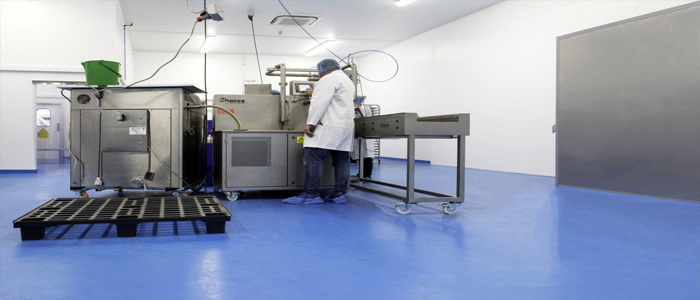
کفپوش اپوکسی
کفپوش اپوکسی از موادی بوده که دارای قابلیت هایی از قبیل مقاومت متوسط تا خوب شیمیایی ، نفوذ پذیری تقریبا"صفر و خود تراز بودن از خواص اجرای این محصول محسوب می شود.
با توجه به نیاز های پروژه و همواری سطح موجود می توان از ضخامت های مختلف این محصول استفاده کرد ضخامت های 5/0 میلیمتر الی 5 سانتی متر با استفاده از این محصولات امکان پذیر می باشد.
مواد اپوکسی بسیار محکم بوده و از موارد استفاده آنها اتاق های فرمان نیروگاه ها ، پارکینگ ها و حتی درکارخانجات صنایع سبک ( ضخامتهای کم) تا صنایع سنگین (ضخامت های زیاد) از آنها استفاده می شود.
با داشتن مقاومت های شیمیایی خوب و سطحی صیقلی این محصول برای انواع کارخانجات تولیدی مواد غذایی مناسب بوده و با استفاده از آن سطحی بهداشتی که به آسانی بتوان از آن نگهداری کرد را بدست خواهیم آورد.
محدودیت های استفاده از اپوکسی ها تا دمای 80+ درجه سانتی گراد و مواد شیمیایی با PH های خیلی بالا و خیلی پایین می باشد.
مراحل اجرا پس از زیر سازی ، زدن پرایمر جهت عایق کردن و محافظت از بروز آسیب های ممکن از سطح زیر بوده و سپس لایه اصلی را می توان بر روی آن اجرا کرد . با توجه به وجود آب و مایعات لیز در شرایط بهره برداری امکان ایجاد سطحی زبر و یا صیقلی امکان پذیر است .
روکش محافظ بتن
با توجه به سطح موجود ، بودجه تعیین شده و شرایط بهره برداری و عمر مفید در نظر گرفته شده برای کف سازی می توان از چندین روش برای اجرای کف استفاده کرد.
در این قسمت انواع لایه های قابل اجرا بصورت مختلف بررسی می شود تا به مهندسین حق انتخاب داده شده و آن ها را برای رسیدن به اهدافشان یاری کرد.
روکش پایه سیمانی
همانطور که مستحضر هستید چسبیدن بتن جدید به بتن قدیمی بسیار مشکل می باشد مخصوصا" در ضخامت های کم در مبارزه با این سرسختی سیمان شرکت بتن پلیمر برنا محصولاتی را ارائه خواهد کرد که قابلیت چسبندگی به بتن قدیمی از 2 میلی متر تا 2 سانتی متر را دارا می باشد.
نکته: برای ضخامت های بالاتر هم ممکن می باشند ولی به دلایل اقتصادی از آن استفاده نمی شود.
در اجرای این محصول نیازی به استفاده از روش های مکانیکی برای بهتر چسبیدن دو لایه به هم نمی باشد و این امر از طریق میکرو فیزیکی تامین می شود. از موارد استفاده این محصول زیر سازی موکت ها و پارکت ها و بصورت عمومی تسطیح سطح را می توان نام برد .
البته می توان از این گونه مواد در اتمام نهایی نیز استفاده کرد که به سطح خاصیت عایق رطوبتی بودن را نیز می دهد
از استفاده های دیگر این محصول ترمیم کف های فرسوده را نیز می توان نام برد.
این محصول قابلیت رنگ پذیری را دارد و از آن در کف پارکینگ ها استفاده شده است. مشتق رنگی این کالا در رنگ های مورد نظر قابل تولید است.
کف پوشهای اپوکسی
کفپوشهای اپوکسی از اختلاط رزین اپوکسی و هاردنر پلی آمینی بدست می آید . ساختار پلیمری روکش حاصله بدلیل عدم استعمال حلال پس از کیورینگ ثابت مانده و هیچ گونه کاهش خواص یا قطر در آن دیده نمی شود که اصطلاحا به آن (solvent free ) اطلاق می شود .
یکپارچگی و مقاومت بالای شیمیائی باعث کاربرد وسیع این روکش در صنایع مختلف شده است.
از موارد مصرف آن میتوان به:
رو کش سطوح صنعتی که در معرض نفوذ آب ، روغن و سایر آلودگی ها هستند.
استفاده در مکانهائی که عدم وجود گرد و غبار اهمیت دارد.
استفاده در مکانهائی که امکان افزایش قطر کف به لحاظ بار وارده یا اختلاف دستگاههای نصب شده بیش از چند میلی متر وجود ندارد.
استفاده در مکانهائی که در معرض ریزش مواد شیمیائی هستند .
استفاده در مکانهائی که مدام در معرض گند زدائی و شستشو بوده و نداشتن درز دارای اهمیت می باشد.
از اپوکسی می توان در محیط هائی که نیاز به پوششهایی با خواص منحصر بفرد و خاص باشند نیز طبق موارد ذیل استفاده کرد .
روکش ضد اسید (Anti Acid)
روکش ضد الکتریسیته (Anti Static)
روکش ضد سایش (Anti scratch)
روکش ضد لغزش (Non Slip)
روکش اپوکسی کف
روکش اپوکسی کف و هاردنر مربوطه از سری محصولاتی است که بر پایه رزین اپوکسی بیسفنول و هاردنر پلی آمینی تغییر شکل یافته تولید و ارائه می گردد . در این محصول از هیچگونه از حلالها و رقیق کننده های غیر واکنش گرا استفاده نگردیده و همین امر موجب می گردد که ساختار پلیمری محصول پس از واکنش بصورت ثابت و پایدار باقی بماند . با توجه به خصوصیات برجسته مکانیکی ، شیمیایی ، حرارتی و الکتریکی این محصول بهترین انتخاب برای پوشش صنعتی بوده و علاوه بر آن با توجه به امکان اجرای روکش بصورت یکپارچه و بدون درز و همچنین خصوصیات ضد میکروبی آن ، می تواند بعنوان مناسبترین پوشش بهداشتی مورد استفاده قرار گیرد .
موارد مصرف :
روکش سطوح صنعتی که در معرض نیروهای مکانیکی مانند فشار ، ضربه و سایش قرار می گیرد .
روکش سطوح صنعتی که در معرض نفوذ آب و همچنین انتقال آلودگی های ناشی از نفوذ آب می باشد .
روکش سطوح صنعتی که عدم وجود گرد و غبار در سطح ، بسیار حائز اهمیت است .
روکش سطوح صنعتی که در معرض خوردگی و آسیب ناشی از اسید ها ، قلیاها ، الکلها ، روغن ها ، نمکها ، حلال ها ، مشتقات نفتی می باشد
روکش سطوح بهداشتی که عدم وجود درزو خلل و فرج و امکان گند زدایی و ضد عفونی کردن صد در صد سطوح ، بسیار حائز اهمیت میباشد
روکش سطوح صنعتی که در مجاورت جریانهای الکتریکی قرار داشته و عایق بودن سطح حائز اهمیت می باشد .
با توجه به موارد فوق کلیه سطوح صنعتی شامل : کارخانجات صنعتی صنایع خوررویی و قطعه سازی ، صنایع شیمیایی ، صنایع غذایی ، کارخانجات شیر و لبنیات ، کارخانجات بسته بندی صنایع دارو سازی ، صنایع پتروشیمی پالایشگاهها ، نیروگاه ها ، انبار های صنعتی ، صنایع هواپیمائی و نظامی ، انبارهای نگهداری مواد غذایی ، کشتارگاه ها ، مرغداریها ، گاوداری ها ، سردخانه ها ، اتاق های تمیز (Clean Rooms) ، صنایع خون ، بیمارستان ها ، محیط های نگهداری اجزاء بدن و اتاقهای استریل ، نیاز مند به کاربری این محصول می باشند .
|
خواص فیزیکی و ظاهری |
|
|
شکل ظاهری |
مایع |
|
رنگ ترکیبی محصول |
در رنگ های مختلف صنعتی |
|
ویسکوزیته C(25) |
ترکیبی محصول:centipoise 490 |
|
وزن مخصوص ( دانسیته ) |
ترکیبی محصول: gr/cm³ 1/45 |
|
نسبت ترکیبی وزنی |
روکش اپوکسی : 100 واحد هاردنراپوکسی : 20 واحد |
|
نسبت ترکیب حجمی |
روکش اپوکسی : 100 واحد هاردنر اپوکسی : 25 واحد |
|
زمان ترکیب دو جزء |
3 دقیقه |
|
زمان خشک شدن سطحی C(25) |
1روز |
|
زمان خشک شدن نهائی تا رسیدن به بالاترین مقاومت و استحکام C(25) |
7 روز |
|
حداقل دمای پخت |
C10 |
|
حداکثر دمای پخت |
C40 |
|
عمر نگهداری در انبار) Shelf Lifeدردمای C 25) |
یک سال |
|
خصوصیات شیمیایی |
|||
|
مقاومت محصول |
مقاومت محصول |
نوع ماده شیمیائی |
مقاومت محصول |
|
نسبتا خوب |
آب اکسیژنه |
نسبتا خوب |
اسید استیک20% |
|
عالی |
هیدروکسید کلسیم %50 |
خوب |
اسید سولفوریک %30 |
|
عالی |
هیدروکسید پتاسیم %20 |
خوب |
اسید کلریدریک %37 |
|
عالی |
هیدروکسید سدیم %20 |
خوب |
اسید نیتریک%20 |
|
عالی |
روغن موتور |
عالی |
اسید سیتریک %10 |
|
خوب |
متانول |
خوب |
اسید فسفریک %20 |
|
عالی |
بنزین |
خوب |
اسید لاکتیک%10 |
|
عالی |
تولوئن |
عالی |
سولفات سدیم %15 |
|
خصوصیات مکانیکی |
|
|
مقاومت فشاری |
kgf/cm² 800-700 |
|
مقاومت خمشی |
kgf/cm² 650~ |
|
استحکام کششی |
kgf/cm² 330~ |
|
سختی |
shore D80~ |
|
خواص الکتریکی و حرارتی |
|
|
مقاومت الکتریکی حجمی |
5.0 * 10 Ohm.cm |
|
مقاومت الکتریکی حجمی |
Ohm 10*8/9 |
|
ثابت دی الکتریک |
6/4 |
|
مقاومت حرارتی تا نقطه نرمی (H.D.T) |
C 70 |
|
مقاومت حرارتی عملی |
C 110 |
کفپوش پلی یورتان
(منعطف، با دوام و زیبا)
این سیستم ها دارای سه قسمت پرایمر ، لایه میانی و لایه آخری می باشند.
همانند پوششهای اپوکسی عملکرد پرایمر ، عایق نمودن سطح موجود و جلوگیری از نفوذ رطوبت و هوای زیر می باشد تا از جدا شدن لایه های بعدی جلوگیری کند.
به علت گوناگونی این مواد ، از مشتق های مختلف آن در موارد مختلف استفاده می شود . از بارزترین ماهیت های این سری محصولات خاصیت ضد ترک آن را می توان نام برد.
ضد ترک بودن بدان معنی است که اگر بر اثر حرکت های سازه ای ، سطوح بتنی دچار ریز ترک شود ، به علت انعطاف بالای این مواد ، ترک در سطح نهایی پدیدار نمی شود.
در پوشش و حفاظت پارکینگ های طبقاتی این مورد بیشتر مد نظر قرار می گیرد ، همچنین سرعت بالای عمل آوری این مواد از امتیازات آنها به حساب می رود.
پایداری بالای شیمیایی ، مقاومت در برابر نور خورشید و سایش و فرسایش از دیگر امتیازات پلی اورتانها می باشند . گستردگی موارد استفاده از این مواد در تمامی صنایع دیده می شود.
موارد زیر چندین نمونه از استفاده های این محصولات می باشد.
پارکینگ ها
صنایع متوسط و سنگین
کارخانجات خودرو سازی
کارخانجات پوشاک
انبار های پر تردد
انواع تولیدی های ترو مرطوب
انواع پل های فلزی مخصوص عابر پیاده
محوطه ها و انبارهای روباز